Face Painting is always the most popular activity at parties or festivals. Almost a rite of passage for many children, the memories your face paint evokes are palpable.
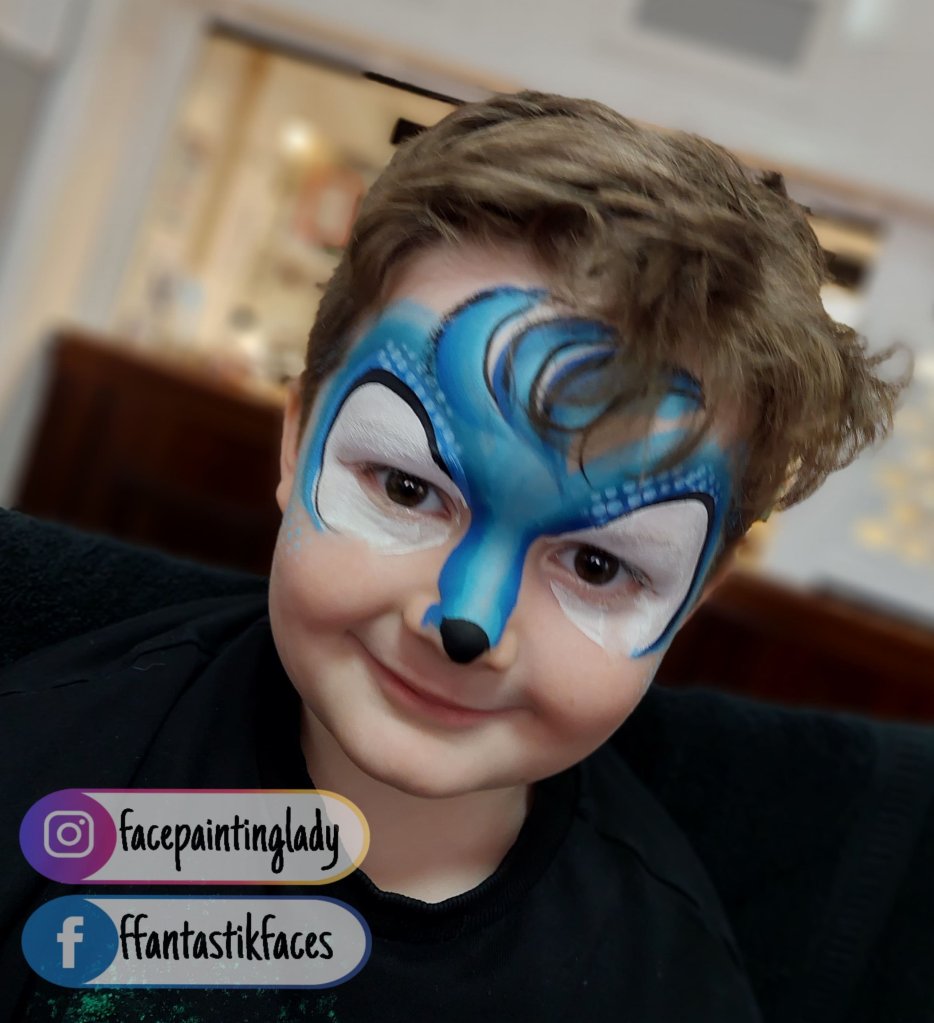
We have a huge range of Sensory and behavioural diagnoses in our family. My husband, at 44 years has only just been diagnosed as autistic! I’ve 4 nephews who are diagnosised as autistic, ADHD, Social Misconduct Disorder and Development issues and have witnessed first hand how it effects not only the child but the parent.
Simply being invited to a birthday party can be daunting for the child and parent. Trying to navigate the social expectations whilst ensuring your child doesn’t become overwhelmed or distressed is really, really hard! Many have never had their face painted.

I usually identify if a child needs extra attention as they queue. There are certain sentences that grab my attention or the way the parent may be a little bit more apprehensive or nervous. Many times, the parent will tell me before the child climbs in the chair if they have any sensory or behavioural issues. Sometimes they don’t, and that’s OK too. Imagine feeling you had to introduce your child with “and he’s x, you and z”.
When a child sits in my chair and I feel they may have a sensory issue or even if they’re a little shy or nervous I follow a few steps that instantly help to put them at ease.
Slow Everything Down
Even if my line is 30 deep, if a child or adult is presenting as particularly nervous or displaying signs of discomfort I simply take my time!
Ask their name, if they’ve had their face painted before. (So many times I’ve heard “no, I don’t like the feel of it” Ask what shows they like, hobbies etc. I’ve created some fab designs where we’ve created a new pokemon or created a butterfly in their football team colours!
Consider The Position Of Your Chair
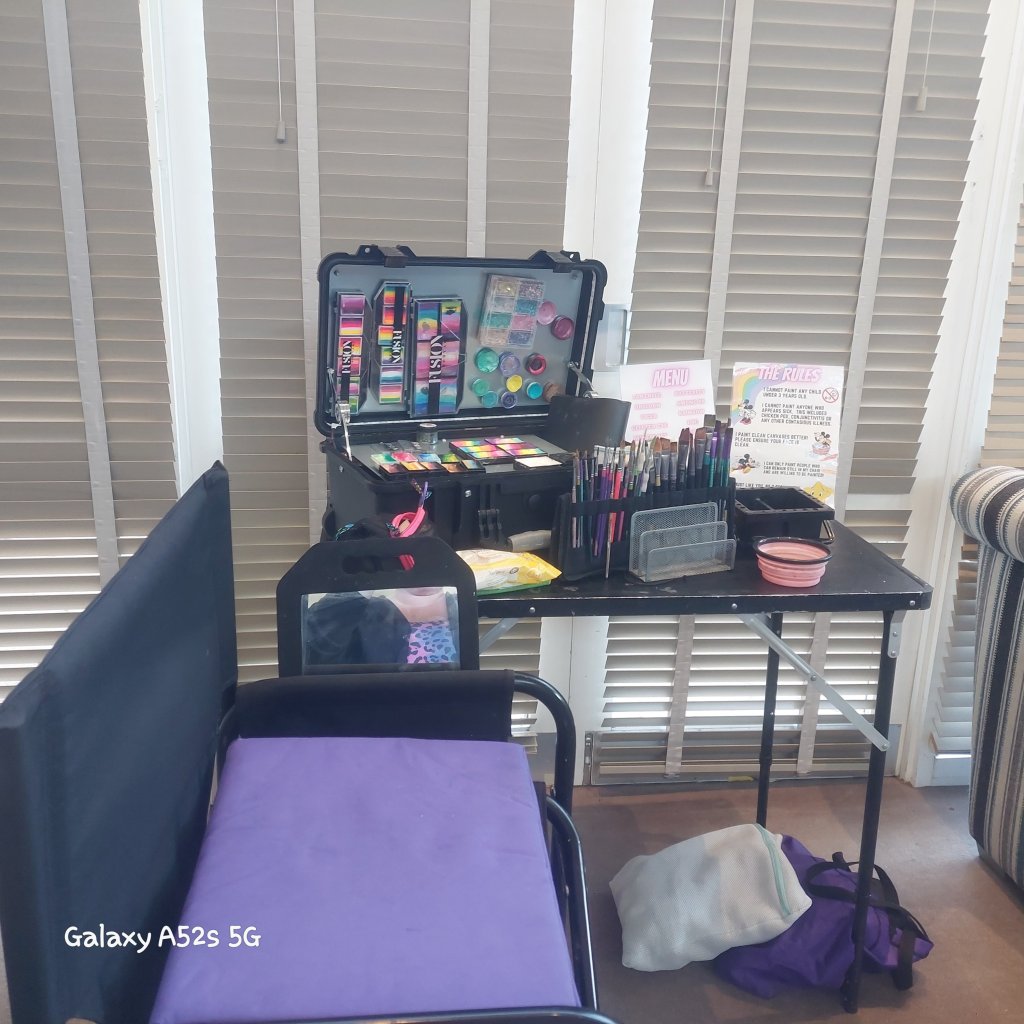
I usually have my chair half facing the line, as in the picture. I find this keeps the queue entertained as they watch the whole process, and I get to keep an eye on the queue as I’m working.
With particularly nervous children, it will serve you well to move the chair, so the back is facing the line. This way the interaction between you and client is alot more personal. Many times, children queue for a long time, only to sit in the chair, freeze as they see so many eyes looking at them, and jump straight out. It’s like being on a stage almost. So simply pivoting the chair can really help!
Explain Your Steps
My husband is very analytical and likes to know what is expected all the time! He does not like the unknown.
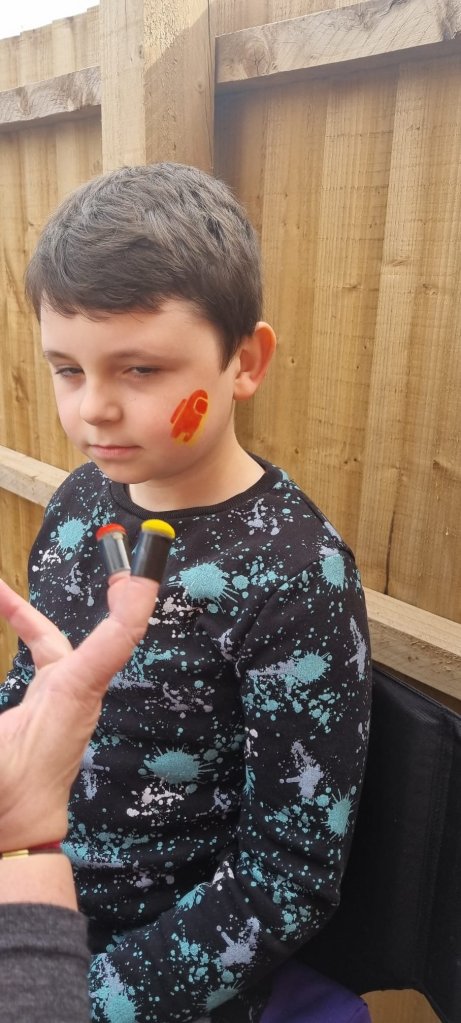
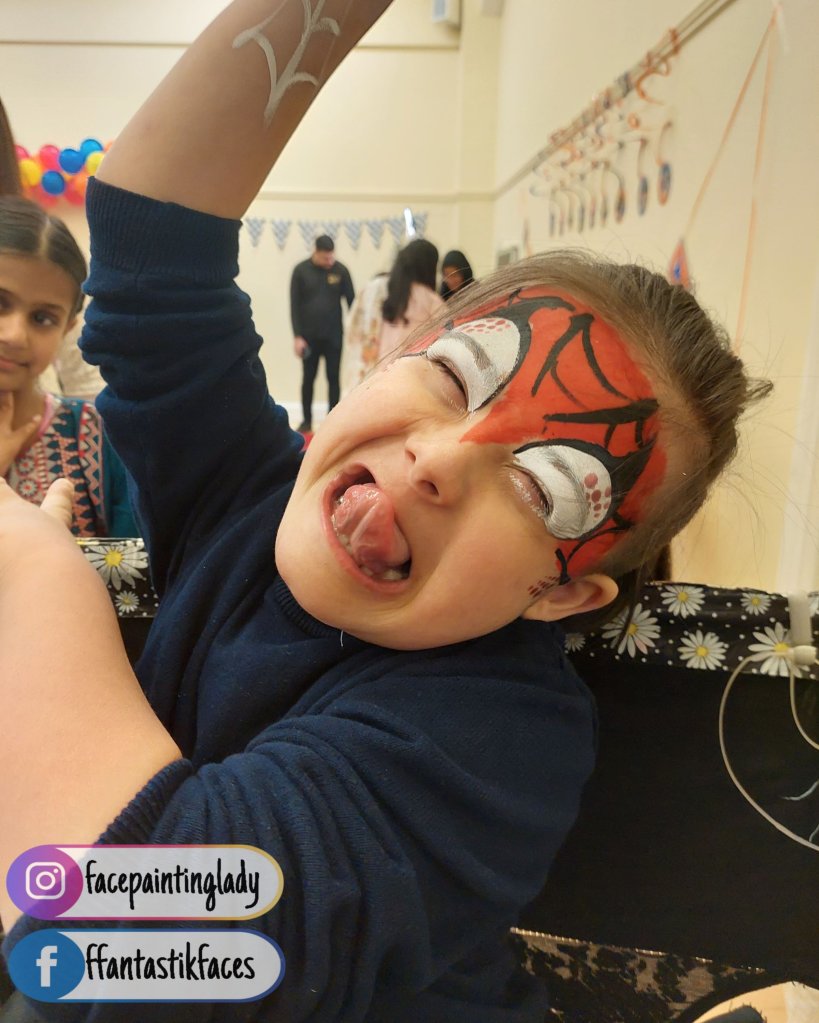
So when they sit in my chair, once a design is chosen, I select all the colours, sponges and brushes I’m going to use. Say, if it’s Spiderman, I explain I’ll need white for his eyes, red for his face, and that I’ll be using sponges. I then show them the sponges. I then explain I’ll be using this brush for the webs. This really helps alleviate some anxiety.
A Sponge is Not Just A Sponge!
Often, as I’m explaining my intentions, I’ll hand them a clean Sponge. This is for a few reasons. Firstly, they get to acclimatise to the feel of the sponge. Once, they do, I sometimes spritz it so they know what to expect. I often sponge firstly onto the back of their hand, too, so they aren’t shocked by the pressure they’ll feel on their faces.
The sponge becomes a stress ball of sorts for them. A fidget toy. Once the design is complete I’ll pop it in my dirty sponge bag to sanitise at home.
Warm Water Is A Win!
Whenever possible I use warm water to Paint. I began doing this as I noticed it speeded up my activation process, but continue to do so as it is simply nicer for the client!
Autistic children and adults do not like extremes. Cold water on their skin can be quite distressing and cause them to feel overwhelmed. Don’t forget, this is a whole new process for them. They’re taking many, many things in. Trying so many new things that were on the edge of a sensory overload. Warm water will help us not to fall off that ledge!
KISS
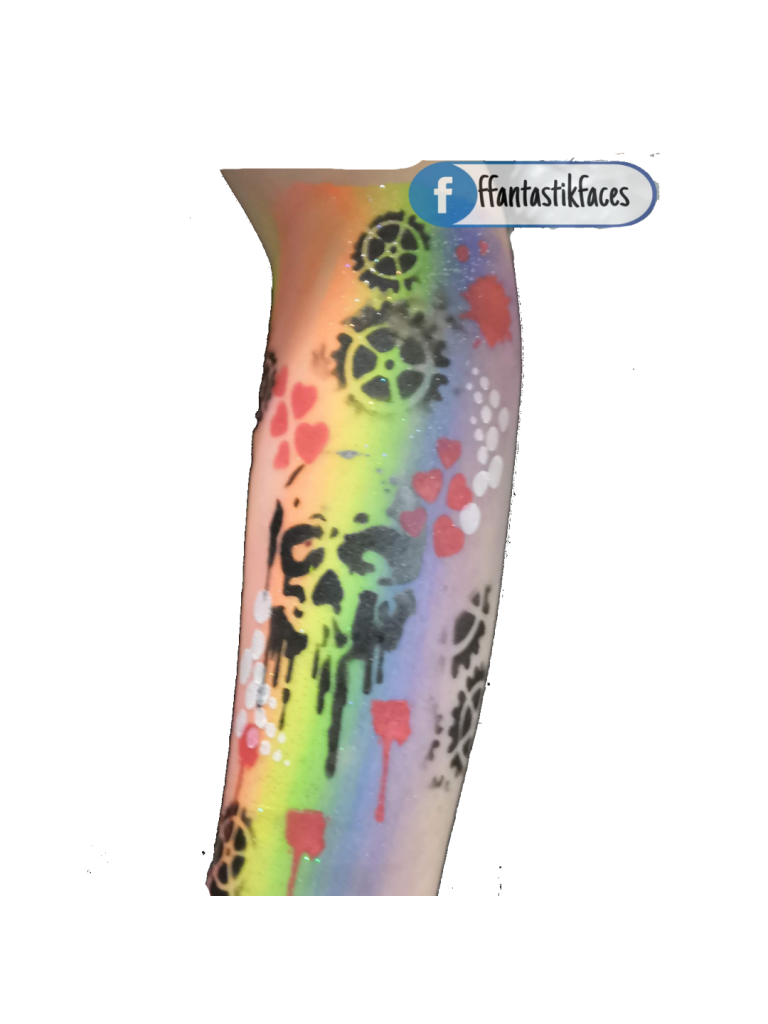
Keep it simple! As artists we’ve practiced our designs over and over. Experimenting with stencils to add depth and adding sparkles and glitter to make it shine. That stuff is what makes us happy! I guarantee you, the parent stood next to you is beyond happy that you’ve created spiderman, they don’t see the missing stencil work or glitter. They see that you’ve created this special memory for their child who normally won’t even look at a face painter! That’s enough.
Drying Issues
Particularly sensitive children may experience tightening of the skin. This could be reaction to your paints and shouldn’t be ignored. Removal with soap and water should be done by the guardian immediately. Never baby Wipes.
But, I am aware of children who don’t like the feel of the paint drying. This is because as the water evaporates, the paint particles adhere to the skin and they feel a “tightening” sensation. Any new and alien sensation is difficult to comprehend for some children, so I’m always aware of this too.
To combat this, bases are usually glycerin based and loaded onto the skin with sponges.
Job Satisfaction At It’s Best!
Having a parent turn to you in tears, thanking you for that moment. A child at 8 years finally having a face paint they love stare in wonder in your mirror. A Grandparent hugging you as they don’t feel like a failure anymore. A Dad overwhelmed because, for the first time ever, their child had joined in. These are all things that have genuinely happened to me. This is why I simply love my job!
 Professional Face Painter