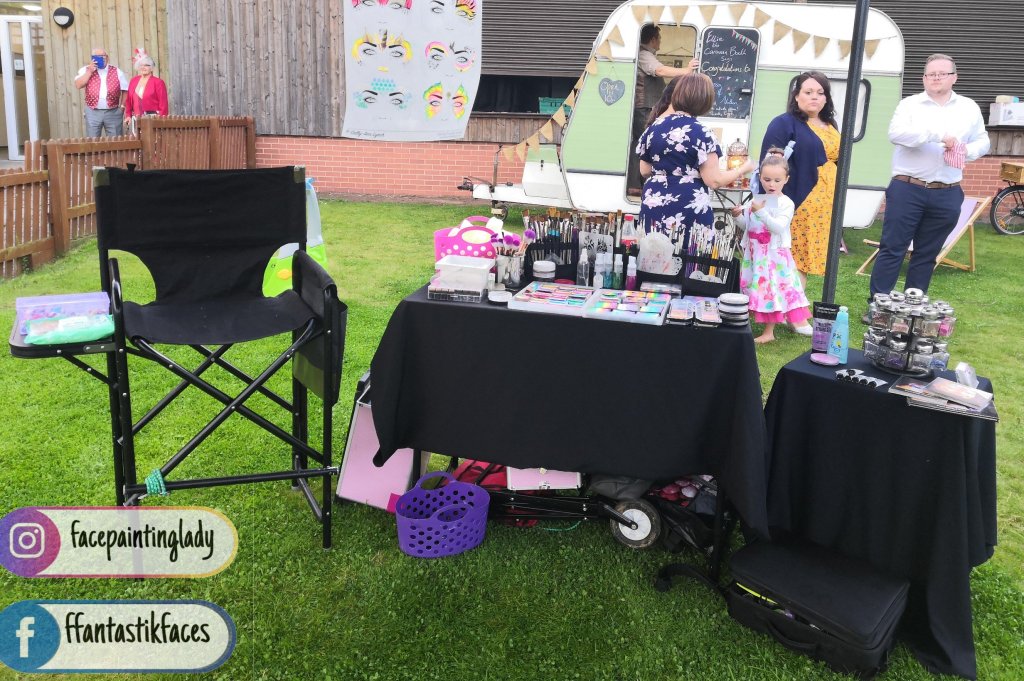
Keeping your workspace tidy is one of the most important things to get right. With my set up, everything has its place and everything is put back into that place. This practice, I initially found so hard. It actually slowed me down, but it was harder to find that #4 round brush that I’d just dashed back in my haste! Don’t be afraid to pause for 30 seconds, just to keep on top of everything.
Infact, parents are often impressed when I stop and quickly explain to the little one in the chair that I need to change my icky water. I keep a gallon of clean, warm water underneath my table along with a gallon container and funnel (for dirty water). It takes me 30 seconds to ditch the dirty water and renew with clean. But, the lasting impression you will have left with that parent will last alot longer.
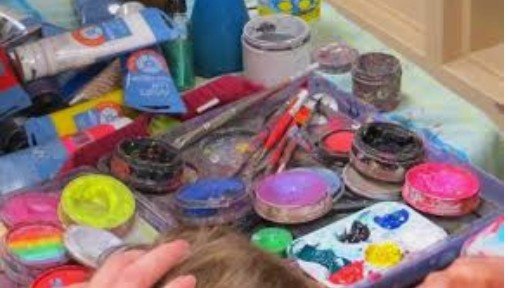
Here’s a quick run down of the most frequently asked questions regarding hygiene and face painting.
WATER
I wanted to address this straight away, as it gets asked time and time again. What do you use? How many times do you change it? Do I need to add anything? Essential oils or white vinegar? Maybe a brush bath? Should I be putting anything in my water at all? The debate on adding anything to your water comes up time and time again. I’d like to share my views.
I personally use a 3 pot water system, it’s actually an artists water bath with 3 different sections. The first section had ridges along the bottom, so it aggitates the brushes bristles to release the paint. This section gets dirty very quickly. The second section is to help rinse the brush and remove any remaining residue. The third, is clean water to activate your paint.
I personally don’t add anything to my water. Nothing, Nada….. Zilch. I know painters who add a drop of soap or brush bath soap in the first section only. I’m a fast painter, having to insure my second rinse is removing not only the paint residue but soap would slow me down.
Our paints have antibacterial agents in them, therefore we don’t need to add anything. Quite honestly, when we start adding things to our water, we’re messing with the chemical balance of the paints. If ever a client suffered a reaction, we couldn’t say it was due to the paint alone. Also, your insurers may have an issue with this practice. When questioned, they reply “all products must be used as stated by the manufacturer”. Our paints are water activated. As for how often I change my water, simply put; when it’s dirty.
SPONGES
Should I use one sponge per child, per colour? Or is one sponge OK? Should I have one sponge per colour for one party/event? Which is right?
Firstly, there’s no “right” answer here in the UK. Our Face painting industry is not regulated. What I mean by that is that there are no bodies/companies to police us and check our set ups. I know in Canada there is. Spot checks and guidelines you must follow. In my opinion, as face painting becomes more and more popular we’ll find ourselves adopting some of Canada’s procedures.
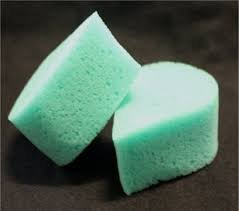
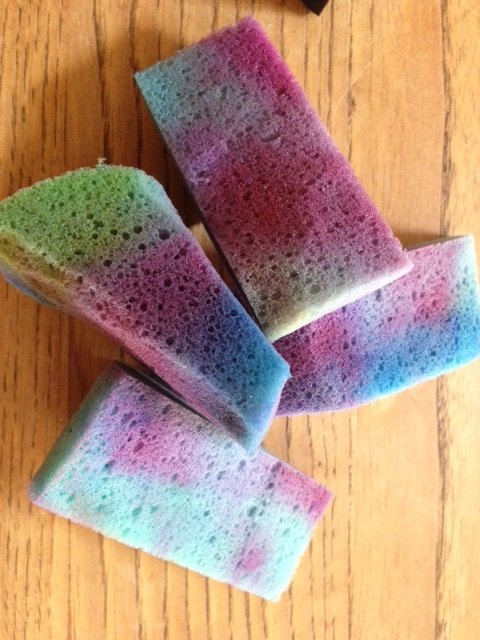
I personally use one sponge per child per colour, no double dipping. Once that sponge touches the child’s face it can’t go back into my paints. I know this may sound like a huge expense but it really doesn’t need to be. I personally use baby sponges, available at many supermarkets and chemist’s. They are affordable, soft and a great density for face paint. I cut them into 8s usually. I pay around 70p for 3, so I’m really getting a lot for my pound! But, why do I do this? Why go to all the extra bother?
A sponge is a mass that is perfect for bacteria to breed. Think of a bath sponge or washing up sponge, they have billions of bacteria in them and are replaced almost daily. Now, think of one sponge, sat ontop of a pot of paint, for up to 8 hours. It’s hot and humid. It’s been used on every child, around the nose and mouth area, both areas that are known for secreting bodily fluids……… Perfect conditions for that bacteria to multiply and quadruple. You get the picture? On a side note, having a damp sponge sat on top of your expensive paints will turn them into a gloopy mess. It also looks really messy and in my opinion, unprofessional.
So, here in the UK, we have no one telling us the “right way”. It’s all about trusting your instincts and doing what is right for your business. It’s your choice. No one, No videos, blogs or articles can force you to do something your uncomfortable with.
 Professional Face Painter
Not only that, you’ll get more work!
LikeLiked by 1 person